Definition & Description
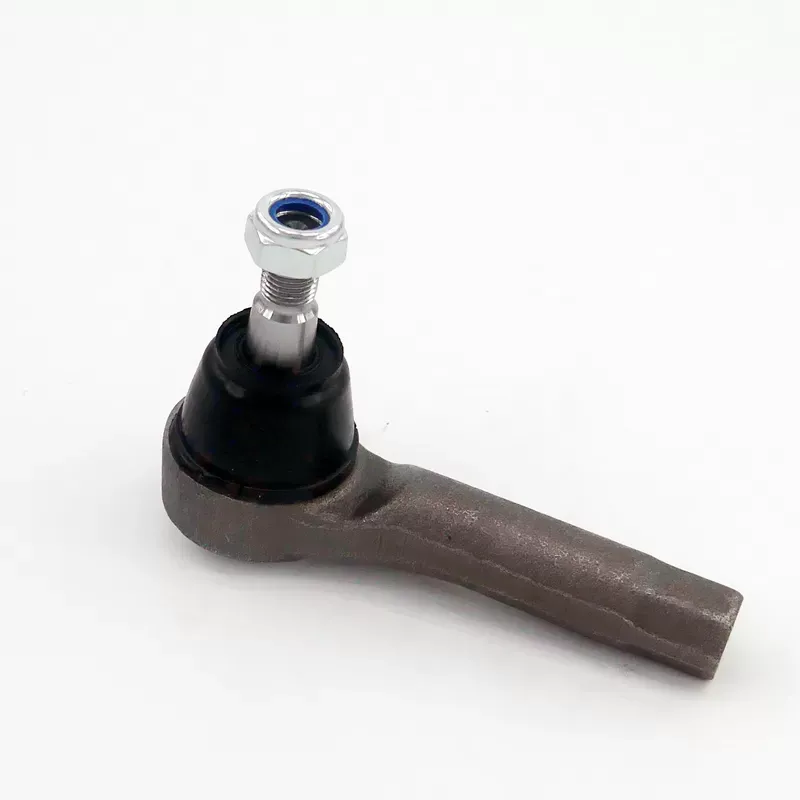
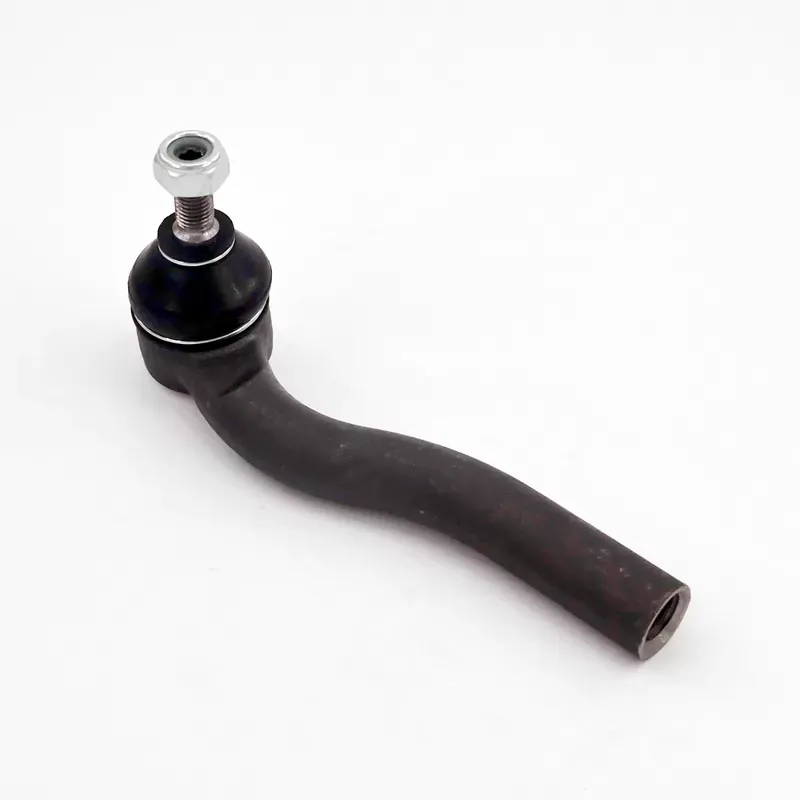
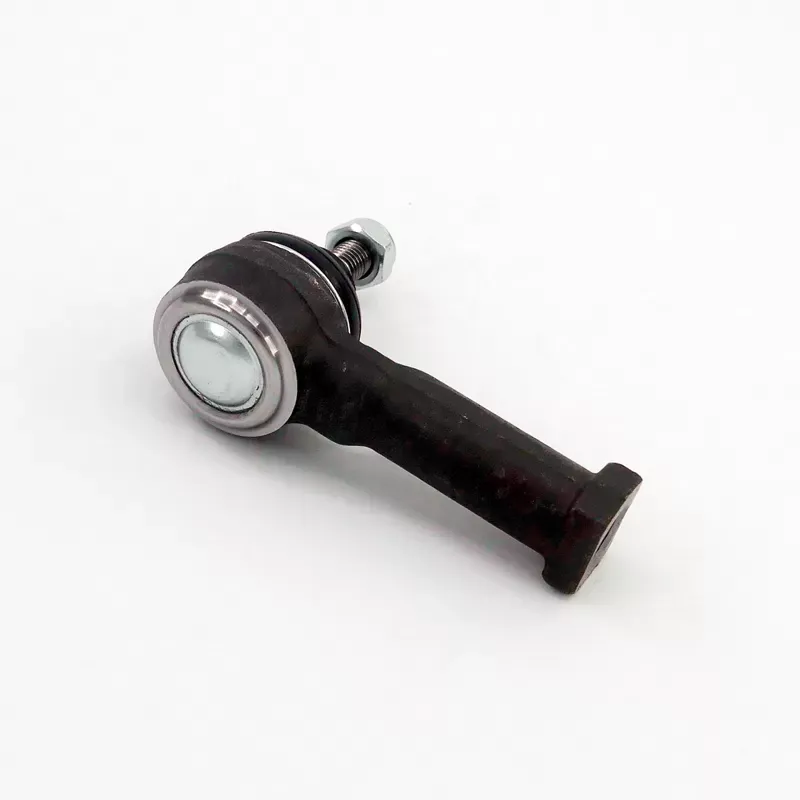
A ball joint is one of the key components of a vehicle’s suspension and steering system. It acts as a flexible pivot point between the control arm and the steering knuckle or spindle, allowing the wheel to move up and down with the suspension while also turning left and right for steering.

Most ball joints are made up of:

The shaft fits into the tapered hole on the spindle/knuckle and is held in place by a nut. The socket attaches the end of the control arm. The rubber boot keeps dirt and debris out of the joint.
What does it do?
The ball joint works like your hip or shoulder. It allows limited movement in any direction. The ball joint keeps the wheels properly aligned as they move up and down with the bumps in the road. It also allows the front wheels to turn left and right with the steering system.
Why are they important?
Ball joints hold the wheels in the correct position, relative to the road and the rest of the suspension. When they wear out, they no longer hold the wheel in position. Worn ball joints can cause:
When should they be replaced?
Most ball joints last a long time, sometimes 80,000 – 100,000 miles. Driving on bumpy, winding roads will wear them faster. Inspect Your Ball Joints when you notice any of the following:
Clunking noises when you go over bumps
Squeaking when the suspension moves
Drifting to one side or the other when driving in a straight line
Vibrations in the steering system
Uneven tire wear
FAQ
1. What are the potential consequences of driving with a worn-out ball joint?
Driving with a worn-out ball joint can result in severe steering and suspension issues, potentially leading to loss of control of the vehicle. This can increase the risk of accidents and cause damage to other components of the suspension system.
2. Are there any specific maintenance tips to prolong the lifespan of ball joints?
To prolong the lifespan of ball joints, regularly check for wear and tear and ensure they are properly lubricated. Avoid driving on rough or uneven surfaces when possible and follow recommended maintenance schedules for your vehicle.
3. How can I tell if a ball joint is worn or damaged?
Common signs of a worn ball joint include clunking or knocking noises when driving over bumps, uneven tire wear, steering vibration, loose steering, and the vehicle pulling to one side. A professional inspection is recommended if any of these symptoms appear.
4. How often should ball joints be inspected?
Ball joints should generally be inspected during routine suspension maintenance, tire replacement, or wheel alignment. Vehicles frequently driven on rough roads, construction sites, or uneven terrain may require more frequent inspections.
5. Can a worn ball joint be repaired?
In most cases, a worn or damaged ball joint should be replaced rather than repaired. Some serviceable ball joints can be lubricated through a grease fitting, but lubrication cannot restore a joint that already has excessive play, corrosion, or physical damage.
6. Should ball joints be replaced in pairs?
Ball joints do not always need to be replaced in pairs. However, since ball joints on the same axle experience similar operating conditions, it is advisable to inspect both sides. Replacing both may help maintain balanced suspension performance if they show similar wear.
7. What is the difference between upper and lower ball joints?
Upper and lower ball joints are installed in different positions within the suspension system. Lower ball joints often carry more of the vehicle’s weight, while upper ball joints mainly help control wheel alignment and suspension movement. The exact design depends on the vehicle’s suspension structure.


 es
es cn
cn