When it comes to vehicle suspension systems, one of the most important yet often overlooked components is the ball joint. It plays a vital role in connecting the suspension to the wheels, allowing smooth movement, precise steering, and safe driving performance.
Without properly functioning ball joints, your vehicle’s handling can become unstable, tire wear increases, and in severe cases, it may even lead to loss of control while driving. That is why understanding what a ball joint is and why it is important can help you maintain your car better and avoid costly repairs.
In this article, we will explore the structure, function, symptoms of failure, and replacement costs of ball joints in detail. We will also look at how they affect vehicle safety and performance.
What Is a Ball Joint?
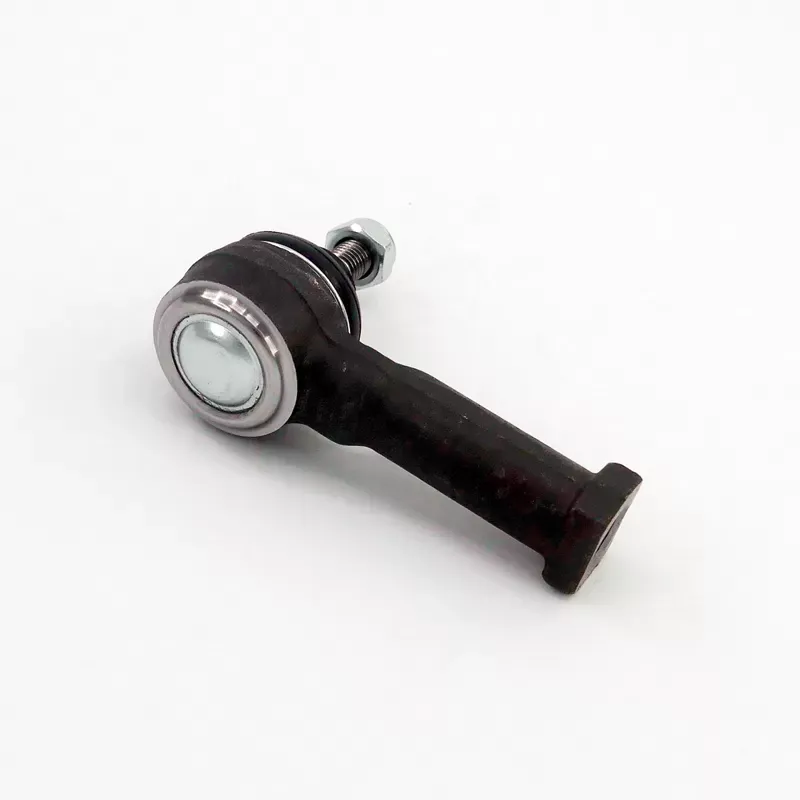
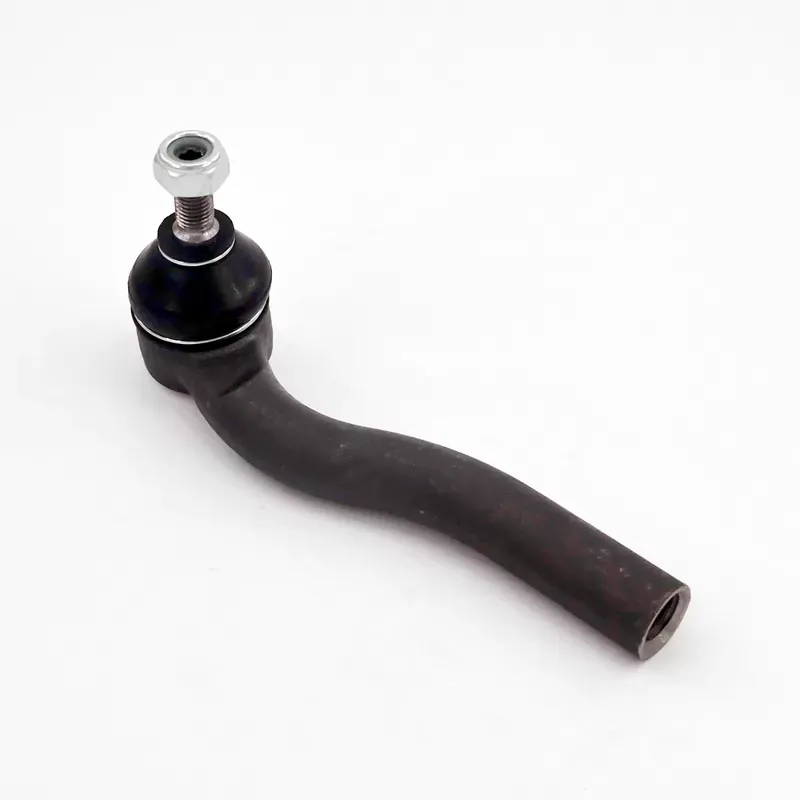
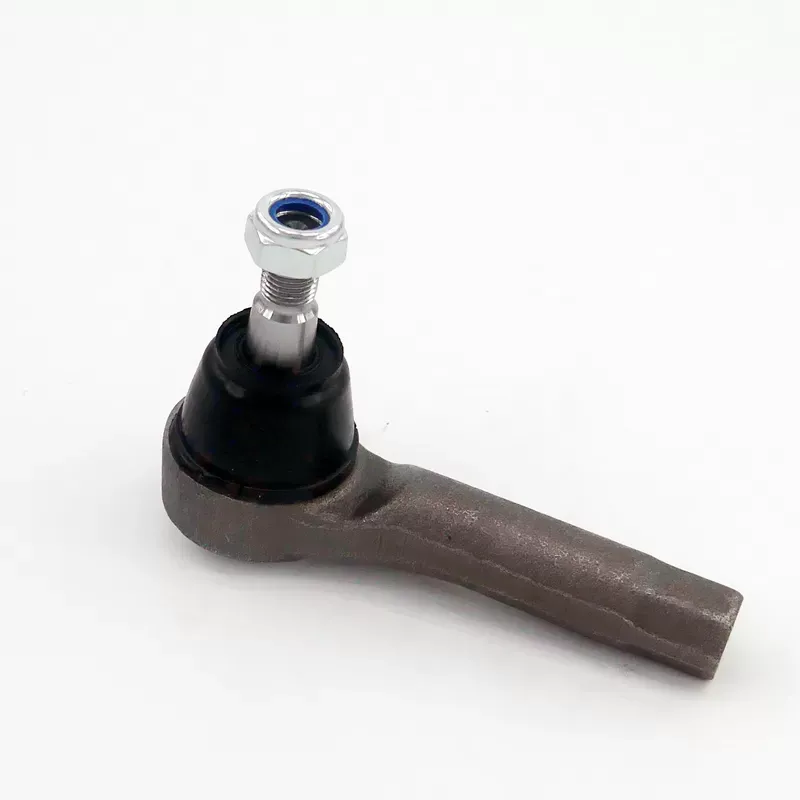
A ball joint is a flexible pivot point in your vehicle’s suspension system. It connects the control arms to the steering knuckles and allows controlled movement in multiple directions.
Think of it like the human hip joint—it enables rotation and movement while holding everything securely in place. This flexibility is essential because your vehicle’s wheels must move up and down with the road surface while also turning left and right during steering.
In most modern vehicles, ball joints are used in both the front suspension and sometimes the rear suspension depending on the design.

How Does a Ball Joint Work?
A ball joint consists of three main parts:
A metal ball (stud)
A socket
A protective rubber boot
The ball rotates inside the socket, allowing smooth movement in multiple directions. The rubber boot keeps grease inside and dirt out, ensuring long service life.
When you steer your vehicle, the ball joints allow the wheels to pivot smoothly. When you drive over bumps, they help the suspension absorb movement without affecting stability.
High-quality components, such as those developed by Zegao Machinery, are engineered to withstand heavy loads and continuous stress, ensuring reliable suspension performance even under tough road conditions.
Why Is a Ball Joint Important for Your Vehicle?
The ball joint is a small component, but it has a huge impact on overall driving safety and comfort.
1. Ensures Smooth Steering
Ball joints allow the wheels to turn left and right while maintaining proper alignment. Without them, steering would be stiff and inaccurate.
2. Maintains Suspension Movement
They connect the control arms to the wheels, enabling vertical movement as the vehicle travels over bumps and uneven roads.
3. Improves Tire Life
A worn ball joint can cause misalignment, leading to uneven tire wear. Properly functioning ball joints help maintain even tire contact with the road.
4. Enhances Driving Safety
Since ball joints are directly involved in steering control, failure can result in dangerous driving conditions. A healthy suspension system ensures better stability at all speeds.
5. Supports Vehicle Load
Ball joints carry a significant portion of the vehicle’s weight while allowing movement. This makes them essential for structural stability.
Common Types of Ball Joints
There are mainly two types of ball joints used in vehicles:
1. Load-Bearing Ball Joint
These support the vehicle’s weight and are usually found in multi-link suspension systems.
2. Non-Load-Bearing Ball Joint
These only assist with steering and movement but do not carry the vehicle’s weight.
Both types are essential, and failure in either can affect driving performance.
Signs of a Bad Ball Joint
Recognizing early symptoms of a failing ball joint can help prevent serious damage.
1. Clunking Noises
A common sign is a clunking or knocking sound when driving over bumps or turning.
2. Uneven Tire Wear
If one tire wears faster than others, it may indicate suspension misalignment caused by a worn ball joint.
3. Steering Instability
Loose or vague steering feel is another warning sign.
4. Vibrations in the Steering Wheel
Worn ball joints can cause shaking or vibrations, especially at higher speeds.
5. Visible Damage
Torn rubber boots or leaking grease are clear indicators of wear.
When these symptoms appear, it is important to inspect the suspension system immediately to avoid further damage.
How Do I Know If My Ball Joints Are Worn?
Worn ball joints can be detected through both driving behavior and physical inspection.
Mechanics often lift the vehicle and check for excessive movement in the suspension system. If the wheel moves more than normal when pressure is applied, the ball joint may be worn.
You may also notice:
Regular inspections are recommended, especially for vehicles that frequently drive on rough roads or carry heavy loads. Suspension components produced by companies like Zegao Machinery are designed with durability in mind, but routine maintenance is still essential for long-term performance.
What Are the Symptoms of a Bad Ball Joint?
The symptoms of a bad ball joint often develop gradually. Here are the most common signs:
Grinding or squeaking noises from the suspension
Steering wheel drifting to one side
Uneven tire wear patterns
Reduced control during cornering
Excessive vibration while driving
Ignoring these symptoms can lead to complete joint failure, which may cause the wheel to detach in extreme cases. This makes early detection extremely important for vehicle safety.
Can You Still Drive with a Bad Ball Joint?
Technically, you may still be able to drive with a bad ball joint, but it is highly unsafe.
A failing ball joint can suddenly break, causing the suspension to collapse and the wheel to lose alignment. This can result in a serious accident, especially at high speeds.
If you suspect a bad ball joint, it is strongly recommended to avoid long-distance driving and have the vehicle inspected immediately. In many cases, replacement is necessary rather than repair.
Maintenance Tips for Ball Joints
Proper maintenance can significantly extend the life of ball joints.
Regularly inspect rubber boots for cracks
Keep suspension components clean
Avoid driving aggressively on rough roads
Schedule routine alignment checks
Lubricate joints if they are serviceable
Preventive maintenance is always more cost-effective than emergency repairs.
Conclusion
The ball joint is a small but critical part of your vehicle’s suspension system. It ensures smooth steering, stable handling, and safe driving performance. Without it, your vehicle would lose control over wheel movement and become unsafe to drive.
Understanding its function, symptoms of failure, and replacement cost helps you maintain your car better and avoid unexpected breakdowns.
Whether you are a daily commuter or a professional driver, paying attention to your suspension system is essential for long-term safety and performance.

FAQs
How do I know if my ball joints are worn?
Worn ball joints can be identified by symptoms such as clunking noises, uneven tire wear, loose steering, and vibration in the steering wheel. A professional inspection can confirm excessive movement in the suspension system, which is a clear sign of wear.
What are the symptoms of a bad ball joint?
Common symptoms include squeaking or knocking sounds, unstable steering, uneven tire wear, and poor vehicle alignment. In advanced cases, you may feel the vehicle pulling to one side or notice reduced control during turns.
Can you still drive with a bad ball joint?
While it may still be possible to drive, it is not safe. A bad ball joint can fail suddenly, leading to loss of steering control or suspension collapse. Immediate inspection and replacement are strongly recommended.


 es
es cn
cn