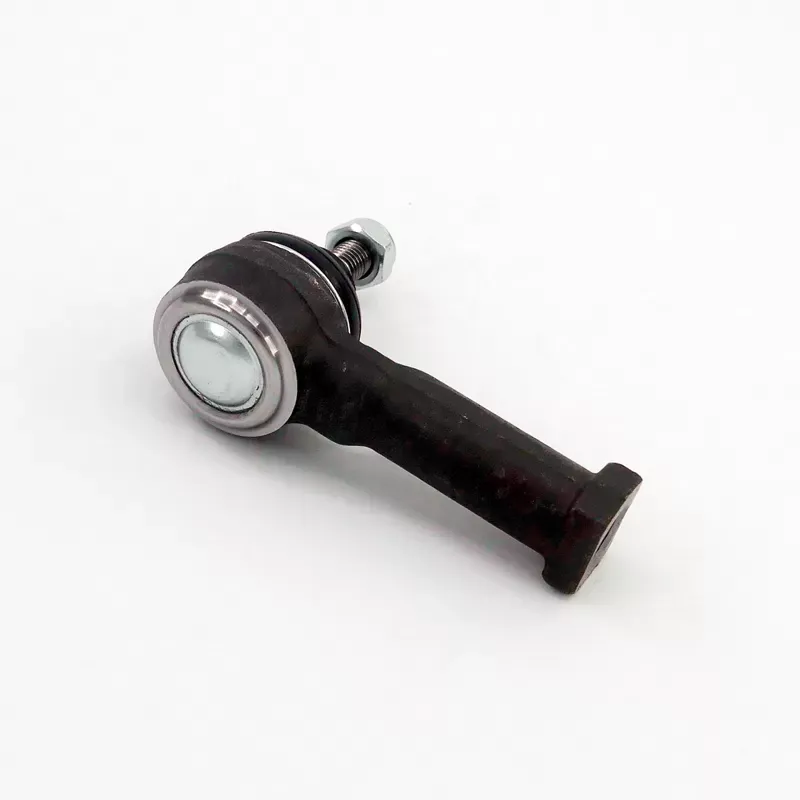
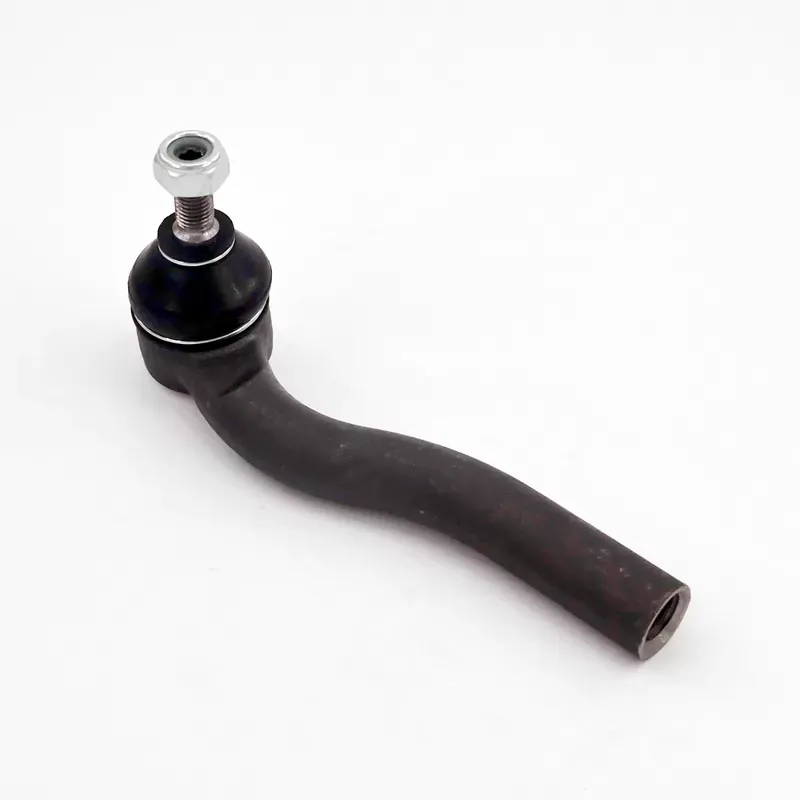
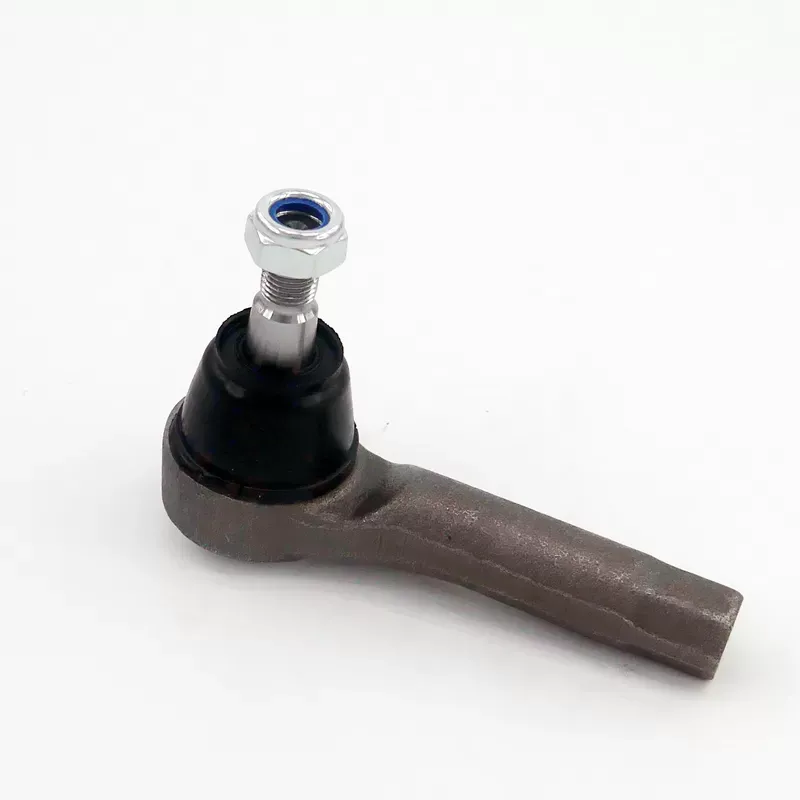
Tie rods are one of the most important components in a vehicle’s steering system. Without properly functioning tie rods, your car would not respond accurately when you turn the steering wheel. Despite their importance, tie rods are often overlooked until serious steering problems appear.
In simple terms, tie rods connect the steering system to the wheels, allowing smooth and controlled movement. When tie rods wear out, the driver may experience unstable steering, uneven tire wear, and even safety risks while driving.
This article explains what tie rods are, how they work, common symptoms of failure, and when you should replace them. We will also discuss replacement costs, maintenance tips, and frequently asked questions to help you better understand this essential steering component.

What Are Tie Rods?
Tie rods are mechanical components that form a crucial link in your vehicle’s steering system. They connect the steering rack (or steering center link in some vehicles) to the steering knuckle, which controls the wheels.
When you turn the steering wheel, the motion is transferred through the steering system and eventually to the tie rods. The tie rods then push or pull the wheels, making the vehicle turn left or right.
There are two main types of tie rods:
Together, they ensure precise wheel alignment and steering control.
High-quality steering components, such as those engineered by Zegao Machinery, are designed to improve durability and driving stability, especially in demanding road conditions.
How Do Tie Rods Work?
Tie rods work as part of a coordinated steering mechanism. When you rotate the steering wheel:
The steering rack moves left or right
This motion transfers to the inner tie rods
The outer tie rods push or pull the wheels
The wheels adjust direction accordingly
This system allows for smooth and responsive steering. Even a small amount of wear in the tie rods can affect alignment and handling.
Tie rods also help maintain correct wheel alignment angles such as toe-in and toe-out. This ensures even tire wear and stable driving performance.
Why Are Tie Rods Important?
Tie rods are critical for both safety and performance. Without properly functioning tie rods, your vehicle may become difficult or unsafe to control.
Key roles of tie rods include:
Ensuring accurate steering response
Maintaining wheel alignment
Supporting tire longevity
Enhancing driving stability
Improving road safety
Even slight damage to tie rods can lead to poor handling, especially at high speeds or during emergency maneuvers.
Common Symptoms of Bad Tie Rods
Recognizing failing tie rods early can prevent costly repairs and dangerous driving conditions. Below are the most common warning signs:
1. Loose or Unstable Steering
If your steering feels loose or unresponsive, worn tie rods may be the cause. You may notice a delay when turning the wheel.
2. Uneven Tire Wear
Bad tie rods can affect alignment, leading to uneven or rapid tire wear. This is one of the earliest and most visible symptoms.
3. Clunking or Knocking Sounds
A worn tie rod often produces clunking noises, especially when turning or driving over bumps.
4. Vehicle Pulling to One Side
If your car constantly drifts left or right, it may indicate a tie rod or alignment issue.
5. Steering Wheel Vibration
Worn tie rods can cause noticeable vibration in the steering wheel, especially at higher speeds.
If you experience any of these symptoms, it is important to inspect your tie rods immediately.
How to Tell If Your Tie Rod Needs Replacing
Knowing how to identify a failing tie rod can help you avoid serious steering problems. A professional mechanic will typically check for:
Excessive play in the steering system
Visible damage or rust on tie rods
Loose ball joints in the tie rod ends
Misalignment of the wheels
You can also perform a simple check by lifting the vehicle and gently shaking the tire side to side. If there is noticeable movement, the tie rod may be worn.
Regular inspection is highly recommended, especially for vehicles used on rough roads or in heavy-duty conditions.
When Should Tie Rods Be Replaced?
There is no fixed mileage for tie rod replacement, as wear depends on driving conditions and vehicle usage. However, tie rods generally last between 50,000 to 100,000 miles.
You should consider replacement if:
You notice steering instability
Alignment problems persist
The mechanic confirms excessive wear
You hear unusual steering noises
Ignoring worn tie rods can lead to complete steering failure, which is extremely dangerous.
Can You Drive with Bad Tie Rods?
Technically, a vehicle may still operate with worn tie rods, but it is extremely unsafe. Driving with bad tie rods increases the risk of:
If tie rods are severely worn, driving should be avoided until repairs are completed.
How to Extend the Life of Tie Rods
Proper maintenance can significantly extend the lifespan of tie rods. Here are some useful tips:
Regular wheel alignment checks
Avoid potholes and rough terrain when possible
Inspect suspension components during servicing
Replace worn steering parts early
Use high-quality replacement parts
Well-maintained steering systems not only last longer but also improve driving comfort and safety.
Tie Rods and Wheel Alignment
Tie rods play a direct role in maintaining wheel alignment. When tie rods wear out, alignment becomes unstable, leading to:
After replacing tie rods, a wheel alignment is always necessary to restore proper geometry and performance.
Conclusion
Tie rods are essential components of your vehicle’s steering system, directly affecting safety, handling, and performance. Understanding how tie rods work and recognizing early signs of wear can help prevent costly repairs and dangerous driving conditions.
From loose steering to uneven tire wear, the symptoms of bad tie rods should never be ignored. Regular inspection and timely replacement ensure your vehicle remains safe and responsive on the road.
High-quality components from trusted suppliers such as Zegao Machinery can provide long-lasting performance and reliability, especially for drivers who demand durability.
By staying informed and proactive, you can keep your steering system in excellent condition and enjoy a safer driving experience.

FAQs
What happens when a tie rod goes bad?
When a tie rod goes bad, it affects your vehicle’s steering accuracy and stability. You may notice loose steering, uneven tire wear, vibrations, or the vehicle pulling to one side. In severe cases, a completely worn tie rod can lead to loss of steering control, making the vehicle unsafe to drive. Immediate inspection and replacement are strongly recommended once symptoms appear.
How to tell if your tie rod needs replacing?
You can tell a tie rod needs replacing if you experience loose or unstable steering, clunking noises when turning, uneven tire wear, or vibration in the steering wheel. A mechanic may also detect excessive movement in the steering system during inspection. If any of these signs appear, it is important to replace the tie rod as soon as possible to maintain safety.
Can bad tie rods cause alignment problems?
Yes, bad tie rods are one of the most common causes of wheel alignment issues. Since tie rods control the angle of the wheels, any looseness or wear can directly affect toe alignment. This often results in uneven tire wear, steering pull, and reduced driving stability. After replacing tie rods, a professional wheel alignment is always necessary to restore proper handling and tire performance.


 es
es cn
cn