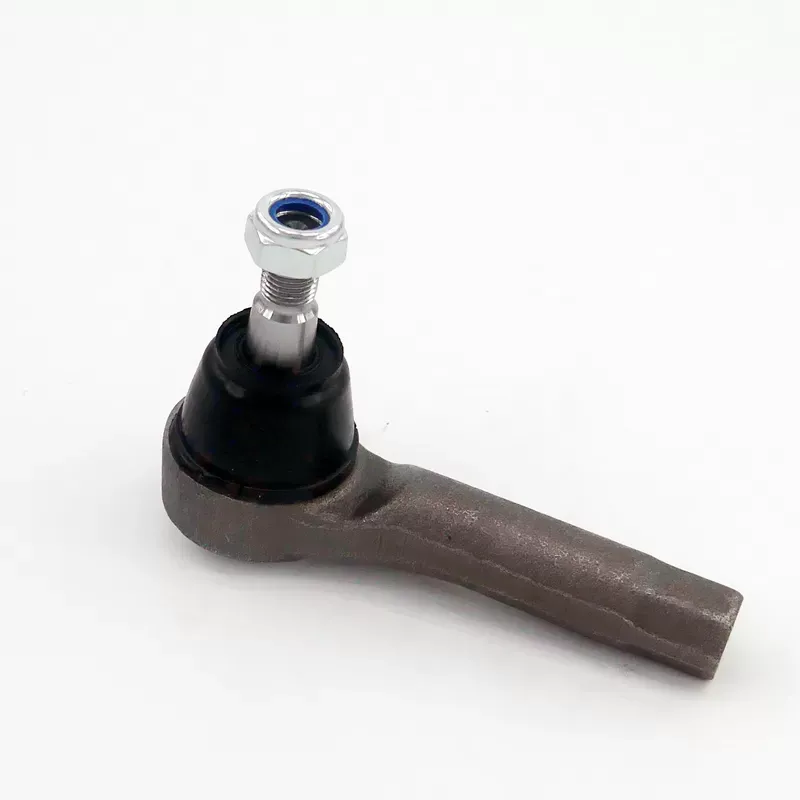
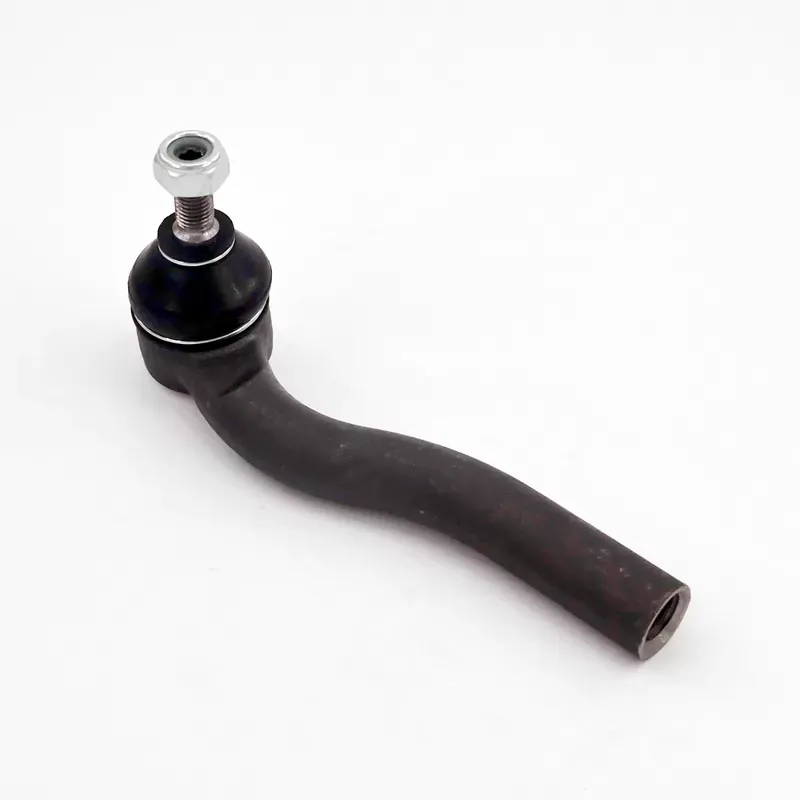
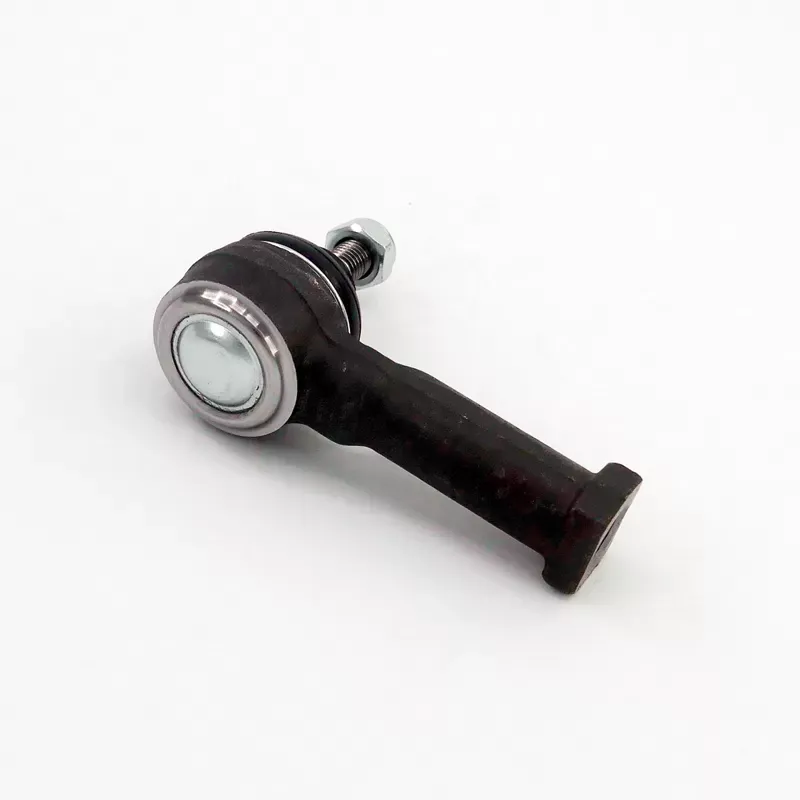
If you are searching for ball joint problems, replacement signs, or a ball joint supplier for your vehicle or machinery, this guide will help you from start to finish. In the auto parts industry, the ball joint is a small part with a big job: it helps the suspension move smoothly while keeping steering stable. Many drivers only notice it when noise starts, steering feels loose, or tire wear becomes uneven. For fleets, workshops, and buyers looking for a ball joint supplier near me or a heavy duty ball joint supplier, the real challenge is not just buying a part, but finding one that fits correctly, lasts longer, and reduces downtime.
Industry reports from automotive service data show that suspension wear is one of the common reasons for steering complaints and tire replacement. In real-world repair cases, a worn ball joint can increase steering play, create clunking sounds, and cause uneven tire wear in just a few thousand miles after symptoms begin. That is why understanding the signs early matters.

A ball joint is a spherical bearing used in vehicle suspension and steering systems. It allows two parts to move in different directions while staying connected. In simple terms, it works like a human hip joint: it bends, rotates, and supports load at the same time.
In automotive engineering, the ball joint is usually part of the control arm assembly. It connects the steering knuckle to the suspension arm and helps the wheels move up and down while the driver turns the steering wheel. This part must handle:
- vertical load from the vehicle body
- side force during cornering
- impact from potholes and rough roads
- repeated movement over thousands of cycles
Professional terms you may see in manuals or supplier catalogs include:
- load-bearing ball joint
- press-in ball joint
- bolt-on ball joint
- suspension linkage
- steering knuckle interface
For buyers comparing a ball joint supplier or a custom ball joint supplier, the key points are material quality, grease retention, seal design, and production consistency. A good supplier should provide dimensional accuracy, surface hardness data, and test results, not only a product photo.
What Is a Ball Joint? Ball Joint Supplier Guide and Industry Meaning
What Are the Symptoms of a Bad Ball Joint? Ball Joint Supplier Warning Signs
A worn ball joint usually gives clear warning signs before complete failure. The most common symptoms are easy to check during driving or inspection.
1. Clunking or knocking noise
If you hear a metal knocking sound when driving over bumps, the ball joint may have excess play. This happens because the internal bearing surface wears down and the joint no longer fits tightly.
2. Loose steering feel
A bad ball joint can make steering feel vague or unstable. The wheel may not respond smoothly, especially at low speed or when turning.
3. Uneven tire wear
When the wheel angle changes because of joint wear, the tire can wear on one edge faster than normal. In many repair cases, uneven wear becomes visible before the driver notices steering problems.
4. Steering wheel vibration
If the suspension cannot hold the wheel firmly, vibration may transfer to the steering wheel, especially at higher speed.
5. Vehicle pulls to one side
A worn joint can disturb alignment and cause the car to drift left or right.
6. Visual damage or torn boot
A cracked rubber boot lets dirt and water enter the joint. Once contamination starts, wear speed increases quickly.
7. Wheel movement during inspection
A technician may lift the vehicle and check for play. If the wheel moves more than normal while the suspension is loaded, the ball joint may be failing.
Simple test method
A workshop can check the ball joint by:
- lifting the wheel
- using a pry bar to check looseness
- inspecting the dust boot
- checking grease leakage
- measuring suspension play
If symptoms are ignored, the joint can fail completely. That can affect steering control and increase repair cost.
Where Are Ball Joints Used? Ball Joint Supplier Application Scenarios
Ball joints are used in many mechanical systems, not only passenger cars. Their job is to connect moving parts while allowing angle change and load support.
1. Passenger vehicles
Most common use. Ball joints are found in sedans, SUVs, pickups, and vans. They support steering stability and ride comfort.
2. Commercial vehicles
Trucks, buses, and delivery vehicles need stronger joints because of heavier loads and longer duty cycles. A heavy duty ball joint supplier is often needed for this segment.
3. Off-road and agricultural equipment
Off-road vehicles face mud, shock, and vibration. Agricultural machinery also needs durable joints for rough field conditions.
4. Construction machinery
Loaders, excavators, and special chassis systems use spherical joints in linkage structures.
5. Industrial mechanical systems
Some machines use ball joints in control links, robotic arms, and adjustable support assemblies.
Why the application matters
Different industries need different specifications:
- load capacity
- corrosion resistance
- temperature resistance
- sealing performance
- lifespan under repeated movement
For example, a car used in city driving may need standard wear resistance, while a vehicle used on bad roads may need a reinforced design with better dust protection.
Why Ball Joints Matter: Ball Joint Supplier Quality, Safety, and Cost
A ball joint may look small, but it affects safety, comfort, and maintenance cost.
1. Safety
The ball joint supports steering geometry. If it fails, the wheel angle can change suddenly. This can reduce control and increase accident risk.
2. Ride comfort
A worn joint often causes noise and vibration. Good joint design helps the suspension move smoothly.
3. Tire life
Suspension looseness can increase uneven tire wear. Replacing a worn ball joint early can help protect tire investment.
4. Maintenance cost
A high-quality joint may reduce repeat repairs. For fleet owners, even a small improvement in service life can lower downtime and labor cost.
5. Stable performance
Reliable ball joints help maintain alignment and handling. This is especially important for vehicles that drive long distances every day.
Industry testing often focuses on:
- fatigue life
- pull-out strength
- corrosion resistance
- dust boot sealing
- grease retention
A qualified ball joint supplier should be able to explain these tests clearly.
How to Choose the Right Ball Joint Supplier
Choosing a supplier is not only about price. It is about whether the part fits the vehicle and lasts in real use.
Check product fitment
The first step is confirming:
- vehicle make and model
- year range
- OEM part number
- left or right side
- press-in or bolt-on type
Ask for material and process details
A professional supplier should provide:
- housing material
- ball stud material
- heat treatment information
- surface hardness
- coating type
- grease type
Look for test data
Useful documents include:
- salt spray test report
- fatigue test report
- dimensional inspection data
- load test results
Check sealing design
The dust boot is important. If the boot fails, dirt enters the joint and wear increases fast.
Compare service support
A reliable supplier should offer:
- technical support
- sample confirmation
- clear catalog data
- after-sales response
Avoid only comparing the lowest price
A low-priced part with weak sealing or poor machining can cost more later through repeat labor and replacement.
If you need a ball joint supplier wholesale option, ask whether the supplier supports bulk orders, stable lead time, and consistent batch quality.
Ball Joint Supplier Benefits: How Good Design Improves Real Use
Good ball joint design is important because it directly affects how the vehicle works every day.
Stronger load handling
A well-made joint can better support combined vertical and side forces.
Longer service life
Better material and sealing can extend service intervals.
Lower noise
Tighter machining and correct lubrication help reduce clunking.
Better steering response
Stable joint movement helps the driver feel more control.
Lower downtime
For repair shops and fleets, fewer replacements mean less time off the road.
According to common aftermarket failure patterns, many ball joint problems begin with boot damage, then progress to lubrication loss and joint wear. That means small design improvements in sealing and corrosion protection can have a measurable effect on service life.
When Should You Replace a Ball Joint?
You should replace a ball joint if:
- there is noticeable play
- the boot is torn
- grease is leaking
- noise appears over bumps
- steering becomes loose
- alignment cannot stay within range
A workshop should also inspect the joint during:
- suspension service
- tire replacement
- alignment correction
- front-end repair
- accident repair
For safety, do not wait until the noise becomes severe. Early replacement usually costs less than repairing secondary damage.
Why Zegao Machinery Is Worth a Closer Look
If you are comparing suppliers, Zegao Machinery is a brand worth further understanding. Buyers often want three things: correct fit, stable quality, and dependable delivery. A supplier like Zegao Machinery may be helpful for users who need:
- replacement parts for daily repair work
- bulk purchasing for workshops or distributors
- product support for different vehicle models
- consistent quality across batches
If you are checking a new supplier, ask for:
- product catalog
- fitment list
- technical data sheet
- sample evaluation
- bulk order terms
This helps reduce wrong-purchase risk and makes sourcing easier.
Next Step: How to Read a Ball Joint User Guide Before Buying
Before placing an order, read the user guide or product sheet carefully. Focus on:
- vehicle compatibility
- joint type and mounting method
- load rating
- sealing structure
- installation instructions
- torque specs
- warranty terms
If you are a workshop, it is also smart to keep a simple inspection checklist for ball joints. That helps technicians find wear earlier and gives customers clearer repair advice.
FAQ
1. What is the first sign of a bad ball joint?
The most common first sign is a knocking sound over bumps, followed by loose steering or uneven tire wear.
2. Can I drive with a worn ball joint?
Short-distance driving may still be possible, but it is not safe to keep using a badly worn joint. Failure can affect steering control.
3. How long does a ball joint last?
Service life depends on road conditions, load, and product quality. In normal use, some last many years, while rough-road use can shorten life much faster.
4. Is a ball joint the same as a control arm?
No. The ball joint is a part connected to the suspension system. The control arm is the larger arm that holds and guides the wheel assembly.
5. How do I find the right ball joint supplier?
Check fitment data, material info, test reports, and service support. A good supplier should help you confirm part compatibility before purchase.
6. Why is the dust boot important?
The boot keeps dirt and water out. When the boot tears, contamination enters the joint and wear increases.
Final Thoughts
A ball joint is a small part, but it has a direct impact on steering, safety, and tire life. If you are seeing the symptoms of a bad ball joint, the best move is to inspect it early and replace it before the problem grows. If you are buying for repair, resale, or fleet use, choose a ball joint supplier that can provide fitment data, test reports, and stable quality. For more options, further understanding, or trial orders, you can also look into Zegao Machinery and compare its product support, catalog range, and sample service.
If you want, I can also turn this into:
- a more sales-oriented version for a product page,
- a more technical version for B2B buyers, or
- a version optimized for a specific keyword like ball joint supplier China or auto ball joint supplier.


 es
es cn
cn