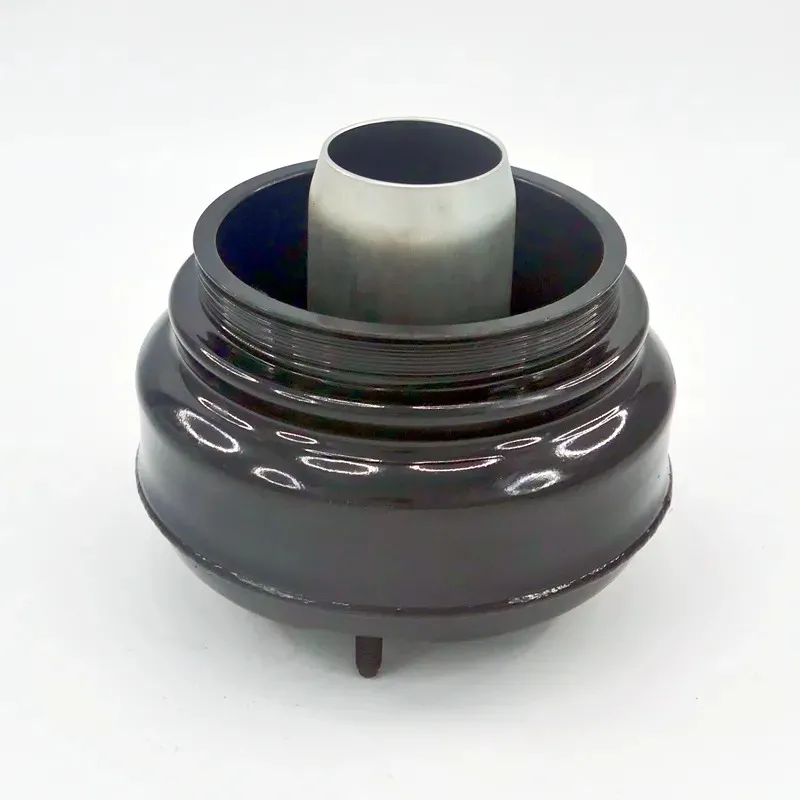
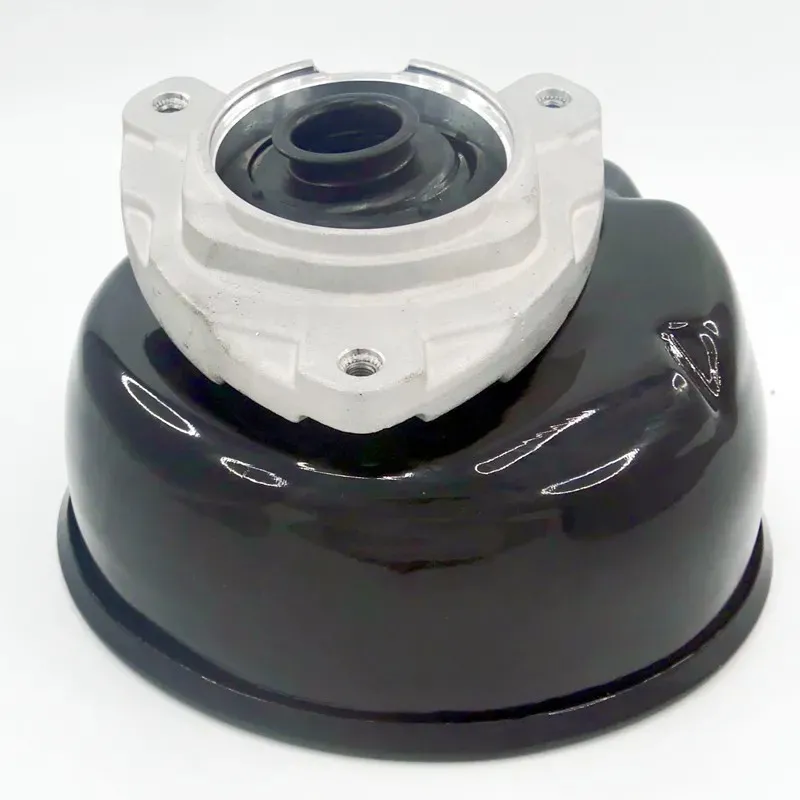
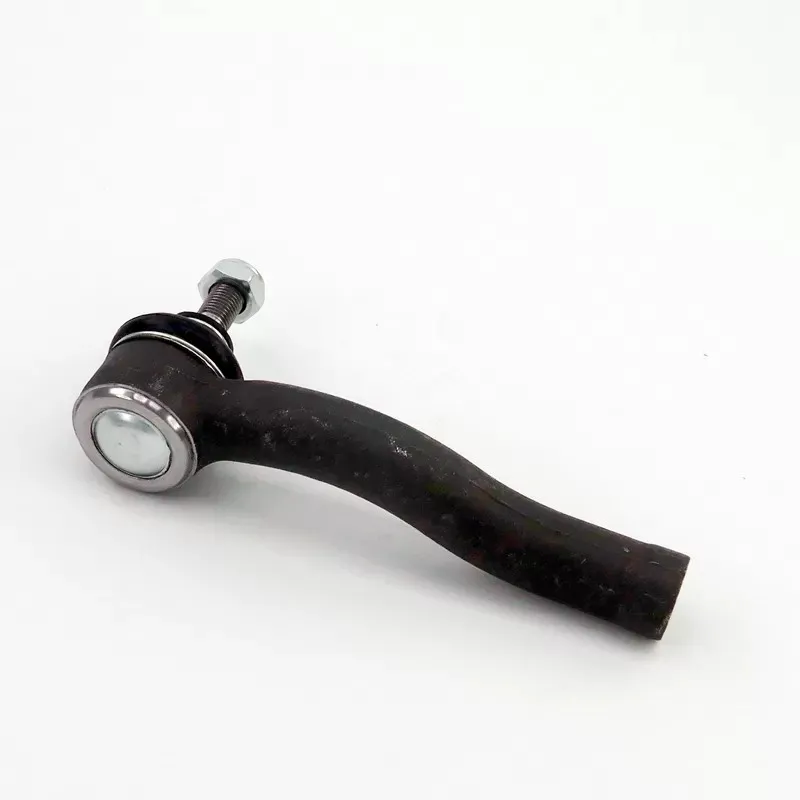
Inner and outer tie rod ends are connected steering linkage components, but they sit in different locations and perform different mechanical duties. The inner Tie Rod End connects to the steering rack or rack-and-pinion assembly, while the outer tie rod end connects to the steering knuckle through a ball joint. In this Inner vs. Outer Tie Rod Ends: What Are the Key Differences? guide, I explain their construction, symptoms, inspection process, replacement difficulty, safety implications, and typical repair cost.
Inner vs. Outer Tie Rod Ends: Key Differences Explained
An inner tie rod transfers lateral movement from the steering rack through the steering linkage, while an outer tie rod end transfers that movement to the steering knuckle and front wheel. The inner joint is usually protected beneath the inner tie rod boot, whereas the outer joint is visible near the wheel hub and uses a ball-and-stud connection. Both parts affect steering accuracy, tire wear, and vehicle control, so looseness in either component requires prompt diagnosis.
| Comparison point |
Inner tie rod end |
Outer tie rod end |
| Location |
Between the steering rack and outer tie rod |
Between the outer linkage and steering knuckle |
| Main function |
Transfers rack movement through the steering linkage |
Pivots at the knuckle and changes wheel direction |
| Mechanical connection |
Usually threaded or jointed to the steering rack and outer rod |
Ball joint and tapered stud secured to the steering knuckle |
| Typical symptoms |
Steering looseness, delayed response, rack-side knocking, unstable toe |
Clunking, visible ball-joint play, uneven tire wear, steering wander |
| Inspection difficulty |
Often requires boot removal or access beneath the rack boot |
Usually visible and easier to test at the knuckle |
| Replacement complexity |
Often requires an inner tie rod tool and boot removal |
Usually requires a socket, separator, torque wrench, and alignment |
| Alignment impact |
Can change toe and steering geometry |
Can change toe and steering geometry |
!
What Is an Inner Tie Rod End?
The inner tie rod end, also called a rack end or axial joint on many vehicles, is positioned inside the rubber inner tie rod boot. One end attaches to the steering rack, and the other end threads into or connects with the outer tie rod. When I turn the steering wheel, the rack moves laterally and pushes or pulls the inner tie rod, which then moves the outer joint and steering knuckle.
The inner joint must allow controlled angular movement while transmitting steering force. Its design varies by vehicle, but many systems use a ball-and-socket or articulated joint protected by the boot. The boot keeps water, grit, and road debris away from the joint, so a torn boot can accelerate wear even before obvious steering play appears.
Common inner tie rod symptoms include a loose steering feel, a dull knock from beneath the rack boot, delayed wheel response, and toe changes during acceleration or braking. These signs can also come from worn rack mounts, a damaged steering rack, or a wheel bearing, so I do not condemn the inner joint based on noise alone. Proper play localization is necessary before buying parts.
What Is an Outer Tie Rod End?
The outer tie rod end is the steering linkage component attached directly to the steering knuckle. It normally uses a ball joint with a tapered stud that passes through the knuckle and is secured with a nut, cotter pin, or locking feature specified by the vehicle manufacturer. The opposite side threads onto the inner tie rod and uses an adjustment sleeve or threaded section to set front toe.
Because the outer tie rod end is close to the wheel, it is exposed to water, salt, impacts, and temperature changes. Its rubber dust boot may crack or separate, allowing contamination into the ball joint. A worn outer joint may produce a clunk when the wheel is rocked or when the steering direction changes over uneven pavement.
Outer tie rod symptoms can include steering wheel vibration, wandering, uneven front tire wear, and a wheel that does not hold its intended direction. A damaged outer joint may also show visible movement between the stud and housing during an inspection. If the stud has substantial looseness or the boot has separated and grease has escaped, I treat the part as a replacement candidate rather than relying on lubrication.
How Inner and Outer Tie Rod Ends Work Together
The steering system uses both joints because the front wheel must move through steering and suspension angles at the same time. The rack provides lateral movement, the inner tie rod carries that movement outward, and the outer tie rod end allows the steering knuckle to pivot while the suspension moves. This arrangement keeps the wheel connected to the steering system without restricting normal suspension travel.
The inner and outer tie rod ends are not interchangeable, even when they are used on the same side of the vehicle. They can differ in thread size, stud taper, joint design, overall length, and attachment method. When I choose a replacement, I verify the OE reference number, vehicle application, installation side, thread specification, and dimensions instead of matching appearance alone.
Zegao Machinery supplies aftermarket steering and chassis components, including Tie Rod End applications identified by OE reference numbers, vehicle fitment, installation position, and dimensional requirements. The company reports manufacturing operations in Yuhuan, Zhejiang, and its product range includes steering and suspension components for selected Toyota, Honda, Ford, Kia, Opel, Fiat, and Alfa Romeo applications. For wholesale sourcing, these details help buyers request a part match using an OE number, sample, drawing, or vehicle application.
How to Tell Which Tie Rod End Is Bad
I begin diagnosis with a complete front-end suspension inspection rather than replacing the part that makes the loudest noise. The vehicle must be supported by correctly rated jack stands on a stable surface, with the wheels secured and the steering unlocked only when the inspection requires movement. A floor jack alone is not a safe support method for working beneath a vehicle.
Visual checks
I inspect the outer ball-joint boot for cracks, missing sections, grease loss, or a displaced retaining ring. At the inner joint, I check whether the inner tie rod boot is torn, collapsed, wet with grease, or loose at either end. A damaged boot confirms contamination exposure but does not prove that the joint has already exceeded its allowable wear limit.
Play localization
With the vehicle safely supported, I ask an assistant to move the steering wheel slightly left and right through a small range while I watch the linkage. Excessive movement at the outer stud, between the outer housing and knuckle, points toward the outer tie rod end. Movement beneath the inner boot or between the rack and inner rod points toward the inner joint, but I may need to release the boot clamp for a conclusive check.
A traditional 3-and-9 o’clock wheel shake can reveal steering looseness, but it cannot identify the failed component by itself. Wheel-bearing play may also appear at 3 and 9 o’clock, while ball-joint wear can be more apparent at 12 and 6 o’clock. I compare movement at the wheel, tie rod, steering knuckle, bearing, rack mounts, and rack housing before deciding which part has failed.
Diagnostic decision points
- Movement at the outer stud: Inspect or replace the outer tie rod end if the joint exceeds the manufacturer’s specification.
- Movement under the inner boot: Inspect the inner tie rod and rack connection before replacing the outer end.
- Movement at the wheel but not the tie rod: Check the wheel bearing, ball joint, or hub assembly.
- Rack housing shifts on the subframe: Inspect rack mounts rather than blaming either tie rod end.
- Steering rack input or output has internal movement: Test the rack assembly according to the service manual.
- Noise without measurable joint play: Inspect strut mounts, control-arm bushings, sway-bar links, and brake hardware.
Safety Triage: When the Vehicle Should Not Be Driven
A vehicle should not be driven when a tie rod end has severe looseness, a separated ball joint, a missing retaining nut, a damaged tapered stud, or a joint that visibly moves before the steering rack responds. These conditions can reduce steering control and may allow the wheel to change direction independently of the steering wheel. I recommend towing the vehicle rather than driving it to a repair shop when the steering response is unpredictable.
Minor noise does not always mean immediate loss of control, but it still requires inspection before continued use. If the steering wheel has excessive free play, the vehicle pulls sharply, the front tire shows rapid edge wear, or the steering angle changes after hitting a bump, I treat the condition as urgent. The risk increases when looseness exists on both sides or when other front-end joints are also worn.
Inner Versus Outer Tie Rod Replacement
Outer tie rod replacement is usually more accessible because the joint is located at the steering knuckle. The common tools include a wheel socket, torque wrench, cotter-pin tools, a ball-joint separator when required, and a method for measuring the original adjustment position. I never rely on hammering directly against the threaded stud or knuckle without following the service procedure, because damage to the knuckle or threads can increase repair cost.
Inner tie rod replacement generally requires more access under the vehicle. The technician may remove the inner boot, disconnect the outer tie rod, use an inner tie rod removal tool, and install a new boot clamp after tightening the joint to the specified torque. Some steering racks require a special adapter or a rack-holding method, and excessive force can damage the rack housing.
Replacing only one tie rod end is mechanically possible when diagnosis confirms that only one joint is worn. I do not automatically replace both sides unless the second side shows measurable wear, a damaged boot, corrosion, or a maintenance history that supports paired replacement. Even when only one side is replaced, the remaining side should receive the same inspection because both components have experienced similar mileage and road conditions.
After either inner or outer tie rod replacement, the front toe setting can change. I measure the original position before disassembly to establish a temporary reference, but that measurement is not a substitute for a computerized wheel alignment. The vehicle should receive alignment verification after repair, especially if the steering wheel is off-center, the tires have uneven wear, or the steering linkage length changed.
Tie Rod End Replacement Cost and Parts Selection
In the United States, a single outer tie rod replacement commonly falls in the approximate range of $150 to $400 at an independent repair shop, while a single inner tie rod may cost about $200 to $550 because access and tool requirements can increase labor. Replacing inner and outer components on one side may reach approximately $320 to $690 when a wheel alignment is included. Actual pricing varies with vehicle design, regional labor rates, corrosion, seized threads, and whether additional steering parts require replacement.
The parts decision should include fitment, material specifications, boot design, joint construction, warranty terms, and supplier traceability. OEM parts may provide the vehicle manufacturer’s original specification, while a correctly matched aftermarket Tie Rod End can reduce parts cost when the supplier documents application coverage and dimensional compatibility. I compare the OE number, thread pitch, stud taper, left-or-right-hand thread direction, and supplied hardware before installation.
For distributors and repair-parts buyers, Zegao Machinery identifies tie rod ends using OE references, vehicle applications, installation positions, and dimensional requirements. The company also lists custom evaluation based on drawings, samples, and technical requirements. Those details are useful when a buyer needs multiple applications, private-label packaging, or confirmation that an aftermarket component matches a specific steering linkage design.
Practical Inspection and Repair Checklist
I use the following sequence when evaluating inner and outer tie rod ends:
- Confirm the vehicle identification, steering layout, and correct replacement reference.
- Inspect tire wear, steering wheel position, boots, threads, nuts, and visible damage.
- Support the vehicle securely and remove the wheel if access is required.
- Use an assistant to create small steering movements while observing the linkage.
- Separate tie rod movement from wheel-bearing, ball-joint, rack-mount, and rack-internal movement.
- Replace only the component confirmed to be outside specification or structurally damaged.
- Tighten fasteners using the manufacturer’s torque procedure and install new locking hardware when specified.
- Restore the boot seal and check that no component binds through the steering range.
- Perform a wheel alignment and verify steering wheel centering, toe, and tire condition.
- Conduct a controlled road test at low speed before returning the vehicle to normal use.
Final Thoughts
Inner vs. Outer Tie Rod Ends: What Are the Key Differences? The inner joint connects the steering rack to the linkage, while the outer joint connects the linkage to the steering knuckle through a ball joint. Inner tie rod failures are often harder to access and diagnose, whereas outer tie rod failures are usually easier to observe near the wheel. Both can cause steering looseness, tire wear, vibration, and unsafe changes in wheel direction.
I recommend beginning with play localization instead of replacing both parts based only on noise. Check the inner tie rod boot, outer ball-joint boot, steering rack mounts, wheel bearing, ball joint, and rack assembly before approving repairs. After replacement, use the specified torque procedures and schedule a wheel alignment because even a small change in tie rod length can alter toe.
For replacement parts, confirm the OE reference, vehicle application, side, dimensions, and thread details. Zegao Machinery is one aftermarket supplier option for buyers comparing Tie Rod End applications, wholesale sourcing, and custom part matching. The correct repair is the one supported by measured play, accurate fitment, safe installation, and post-repair alignment verification.


 es
 cn