If you are asking How much does it cost to replace a ball joint?, this guide will give you a clear, step-by-step answer so you can estimate the budget, compare replacement options, and avoid unnecessary downtime. At Zegao Machinery, we help buyers and workshops select the right ball joint solution with a practical, efficient process that reduces rework, improves vehicle safety, and keeps maintenance costs under control.

The final bill depends on labor, suspension design, vehicle type, and parts quality. In our experience, the largest cost swing usually comes from the ball joint itself and the time required for access, pressing, and alignment.
A typical replacement cost range is:
- Parts only: about $20 to $150 per ball joint
- Labor: about $80 to $250 per side
- Wheel alignment: about $80 to $180
- Total job: often $180 to $600+ depending on the vehicle
For some SUVs, pickups, and European models, the replacement can exceed that range because the suspension geometry is tighter, the knuckle assembly is more complex, or the ball joint is integrated into a control arm.
What drives the cost of a ball joint replacement?
-
Vehicle platform
- Compact cars are usually cheaper.
- Heavy-duty trucks often require more labor and higher-load components.
-
Component design
- Bolt-in ball joint
- Press-fit ball joint
- Integrated control arm assembly
-
Labor complexity
- Rusted fasteners
- Seized taper fit
- Required press tools
- Post-repair alignment
-
Part quality
- OE equivalent
- Aftermarket standard
- Heavy-duty/extended life specification
-
Service location
- Independent repair shop
- Dealership
- Fleet maintenance facility
Main cost factors you should check first
To answer How much does it cost to replace a ball joint? accurately, I recommend looking at the job in parts.
| Cost item |
Typical price range |
Notes |
| Replacement ball joint |
$20–$150 |
Depends on OEM/aftermarket grade |
| Labor per side |
$80–$250 |
Higher for press-fit or rusted joints |
| Alignment |
$80–$180 |
Often required after suspension work |
| Additional hardware |
$10–$40 |
Cotter pins, nuts, bolts, grease fittings |
| Total estimate |
$180–$600+ |
Vehicle-dependent |
For fleet operators, the real cost is not only the invoice. A worn ball joint can cause uneven tire wear, steering wander, vibration, and in severe cases suspension separation. That means more downtime, more tire spend, and more customer complaints if the vehicle is part of a business operation.
How much does it cost to replace a ball joint? A realistic breakdown
If you are managing repair work, I suggest following this process to keep the job efficient and predictable.
How I recommend replacing a ball joint step by step
Before replacement, inspect the suspension for:
- Excessive play in the ball joint
- Torn dust boot
- Grease leakage
- Clunking over bumps
- Uneven tire wear
- Steering instability
A technician should verify looseness using a lift, pry bar, and dial indicator where needed. In professional inspection workflows, we often target repeatable measurement rather than guesswork, with precision checks down to 0.01 mm when validating component tolerance.
1) Confirm the failure correctly
Not every ball joint is replaced the same way.
- Press-in type: requires a hydraulic press or dedicated ball joint service kit
- Bolt-on type: faster replacement, usually lower labor
- Integrated assembly: replace the entire control arm
This decision changes the total replacement cost immediately, so it is important to confirm before ordering parts.
2) Identify whether the joint is serviceable
As a ball joint supplier, we recommend checking:
- Load rating
- Grease type
- Housing material
- Surface coating
- Seal durability
- Vehicle compatibility
At Zegao Machinery, we support buyers who need consistent fitment, stable supply, and traceable quality. For export and B2B purchasing, this matters because poor fit can cause premature wear and repeated returns.
3) Choose the right replacement part
A clean installation improves both service life and safety. Common tools include:
- Ball joint press kit
- Hydraulic shop press
- Torque wrench
- Tie rod separator
- Pickle fork or ball joint separator
- Alignment machine
If you are working in a production or fleet maintenance environment, a dedicated press fixture and torque-controlled workflow can reduce installation variance and rework.
4) Use proper tools for safe installation
After replacement:
- Torque all fasteners to OEM specification
- Check cotter pin engagement
- Perform a four-wheel alignment
- Road test for noise, pull, and steering return
This step is critical. Even a new ball joint can fail early if the alignment is ignored or fasteners are under-torqued.
5) Verify torque, alignment, and road performance
When evaluating parts, I recommend asking suppliers about testing and validation. For industrial buyers, standards help separate reliable products from low-grade imports.
Common references include:
- ASTM material and corrosion-related testing
- DIN dimensional and mechanical standards
- Salt spray testing for coating durability
- Load cycle fatigue testing
- 100% inspection of critical dimensions
- Functional play and articulation checks
At Zegao Machinery, quality control is built around repeatability, dimensional stability, and traceability. For customers sourcing a ball joint from a ball joint supplier, this reduces failure risk and helps maintain consistent service life across batches.
What quality standards matter for ball joint replacement parts?
In practice, the job is not always straightforward. The most common challenges are:
If a workshop handles these issues with a standardized repair process, the final result is faster turnaround and fewer comebacks.
What problems can happen during replacement?
For workshops, fleet managers, and distributors, we focus on supply stability and quality consistency. That has a direct real-world effect:
- Less downtime from repeat repairs
- Lower warranty return rates
- Better steering response after installation
- More predictable maintenance budgeting
- Faster sourcing for urgent repair orders
When a customer asks How much does it cost to replace a ball joint?, the cheapest part is not always the lowest-cost solution. A durable component with verified dimensions can reduce total lifecycle cost.
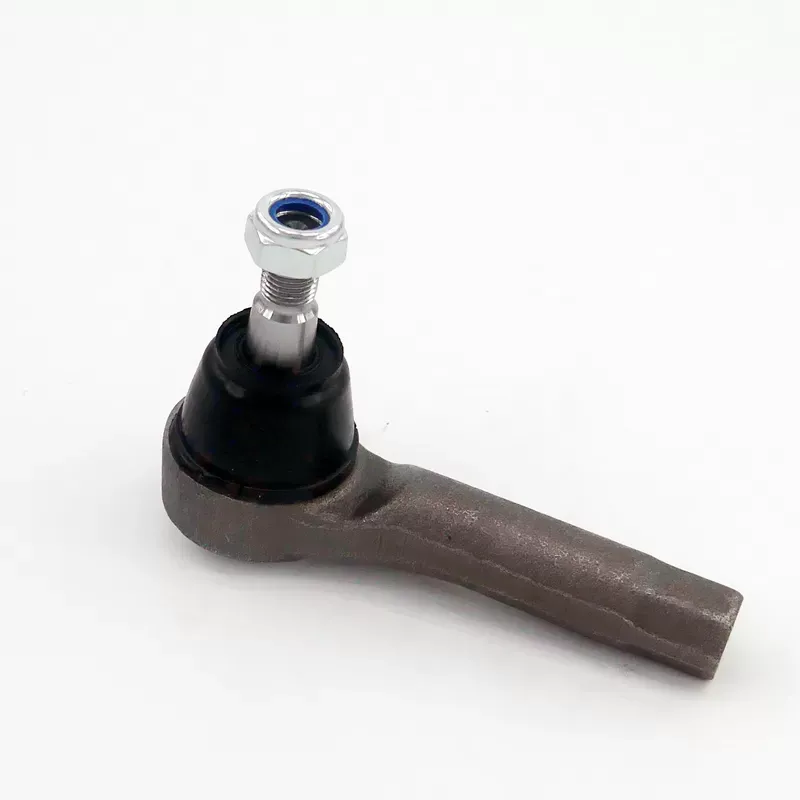
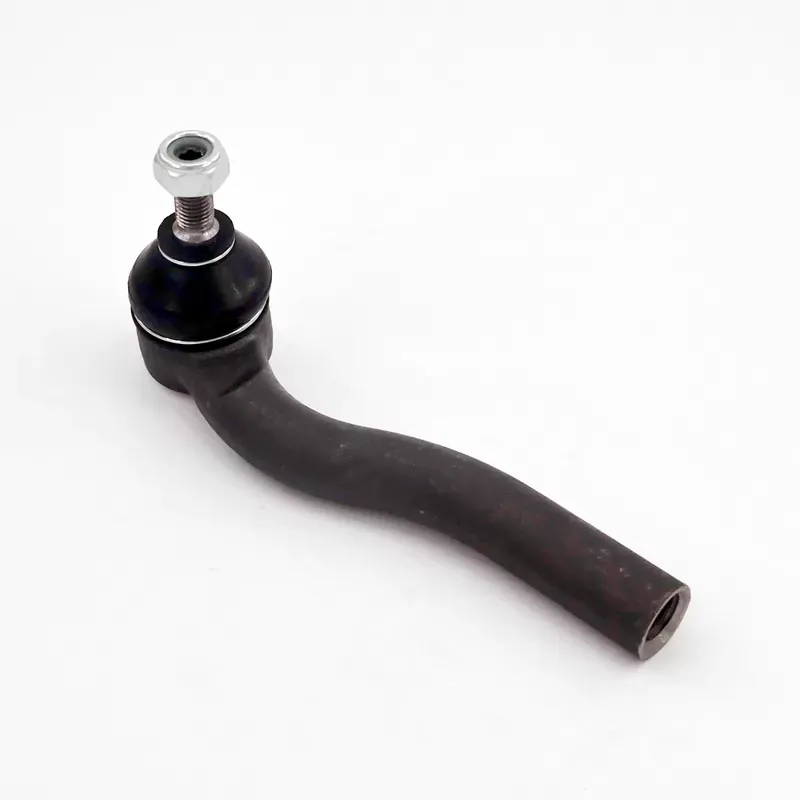
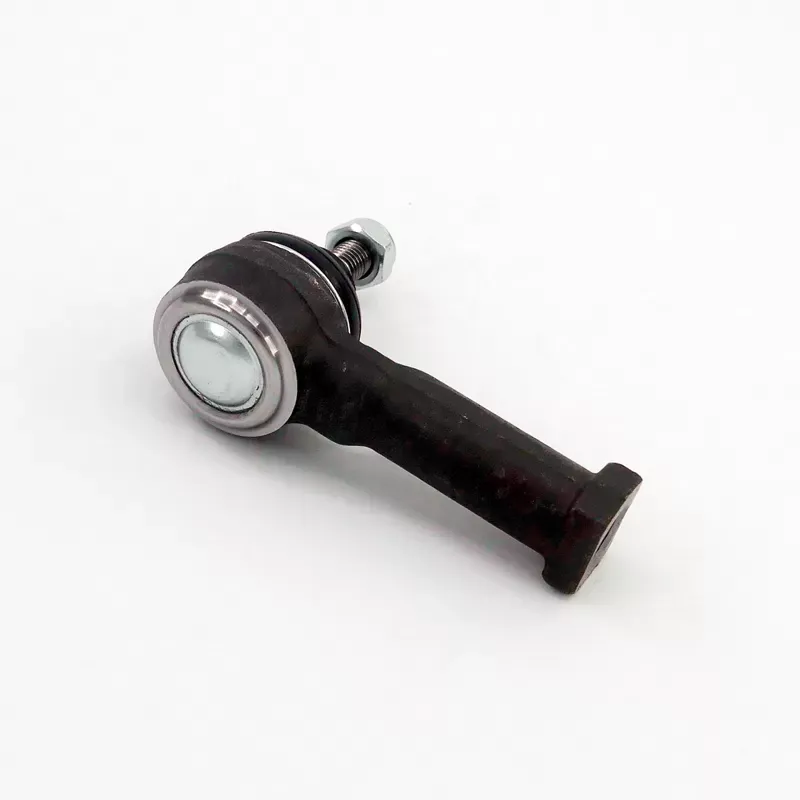
For reference, our product image is available here:
How Zegao Machinery helps reduce replacement cost and downtime
What should you do next?
If you need a replacement plan, I recommend the following action steps:
- Inspect the suspension and confirm whether the ball joint is worn.
- Identify the exact vehicle application and part type.
- Compare part cost, labor cost, and alignment cost.
- Request a supplier quote with material, tolerance, and test data.
- Install the part with proper tools and complete a wheel alignment.
- Road test and recheck fastener torque.
Final takeaway
So, How much does it cost to replace a ball joint? In most cases, the answer is $180 to $600+, depending on the vehicle and whether you are replacing a single ball joint, a control arm assembly, or dealing with rusted hardware and alignment labor. If you want a reliable sourcing path, Zegao Machinery can help you select the right part, verify quality, and keep your repair process efficient. As a trusted ball joint supplier, we focus on practical results: accurate fit, stable performance, and lower total maintenance cost.


 es
es cn
cn