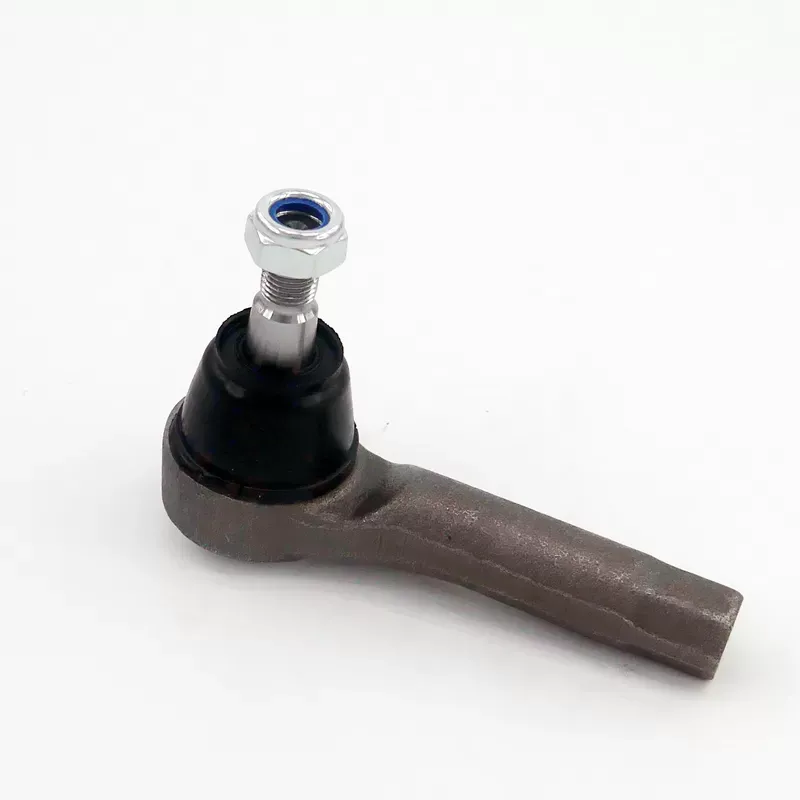
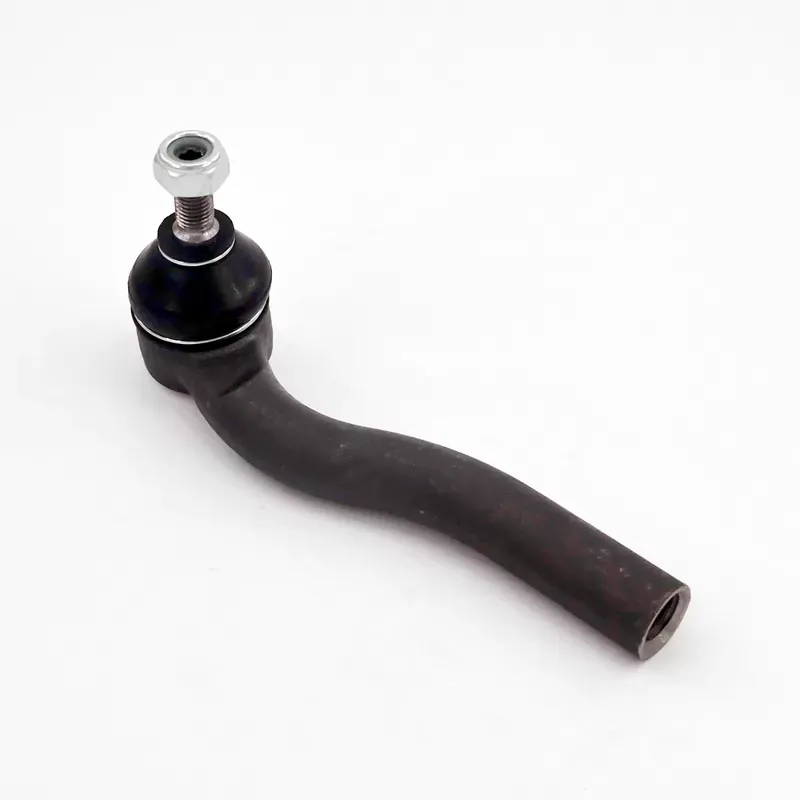
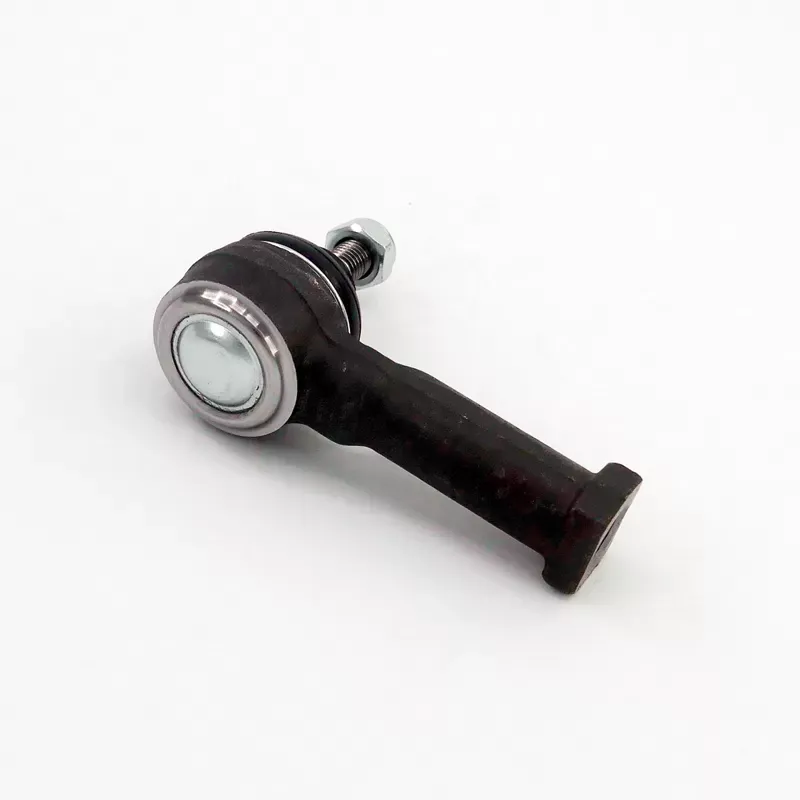
A bad ball joint is not a small problem. It can change steering, tire wear, and suspension control in a short time. If you hear clunking noises, feel loose steering, or see uneven tire wear, you may already have a worn ball joint, failing suspension, or a loose control arm. The short answer is no, you should not keep driving for long. Zegao Machinery recommends checking the joint as soon as possible because a bad ball joint can fail without much warning.
Many drivers search this topic because they want a clear answer: can I drive a car with a bad ball joint, and how far is safe? The safest answer is to drive only a very short distance, if at all, and only to a repair shop. A worn ball joint can affect wheel alignment, reduce tire grip, and increase crash risk. In this article, we explain the warning signs, danger level, repair timing, and what to do next in simple words.


1. Can You Drive with a Bad Ball Joint? The Short Answer
A bad ball joint is a safety issue, not just a comfort issue. If the joint is only slightly worn, the car may still move, but that does not mean it is safe for daily use. The more wear there is, the more the wheel can move in the suspension. That can make steering less stable and braking less reliable.
If the ball joint has a lot of play, driving is risky even at low speed. The best choice is to stop using the car and arrange a repair. If you must move the car, keep the trip very short, drive slowly, and avoid highways, rough roads, and hard braking.
1.1 Short drive only, not normal driving
The ball joint connects the control arm to the steering knuckle. It lets the wheel move up and down while still turning left and right. When it wears out, the wheel may shift out of position. In the worst case, the joint can separate. If that happens, the wheel can fold inward or tilt outward, and control can be lost immediately.
This is why mechanics treat a bad ball joint as a high-priority repair. The part is small, but the damage risk is large. A failed joint can also damage tires, brake parts, and nearby suspension components.
1.2 Why the risk can become serious fast
2. What Does a Bad Ball Joint Feel and Sound Like?
Most drivers do not notice the joint itself. They notice symptoms. The most common signs include a clunking noise over bumps, loose or wandering steering, vibration in the front end, and uneven tire wear. You may also feel that the car pulls to one side or that the steering wheel does not center correctly.
These signs are important because they show that the suspension is no longer holding the wheel firmly in place. If more than one symptom appears at the same time, the problem is often more serious.
2.1 Common warning signs drivers notice first
A worn ball joint may show torn dust boots, grease leakage, rust, or visible movement when the wheel is lifted. A mechanic may use a pry bar or lift to test for play. If the wheel moves in a way it should not, the joint may be near failure.
Drivers can also look for inside or outside tire edge wear. That pattern often means alignment has changed because the suspension is loose.
2.2 Visual signs during inspection
- Clunking or popping sounds from the front suspension
- Loose steering or delayed steering response
- Steering wheel shake at speed
- Uneven tire wear
- Vehicle pulling left or right
- Visible dust boot damage or grease loss
2.3 Simple symptom checklist
3. How Dangerous Is It to Drive on a Bad Ball Joint?
The danger depends on how worn the ball joint is. A lightly worn joint may give warning signs for weeks. A badly worn joint can fail sooner, especially if the road is rough or the car carries heavy loads. Heat, water, dirt, and corrosion can speed up the wear.
Here is a simple risk guide. It helps drivers understand when driving is a small concern and when it becomes urgent.
| Ball Joint Condition |
Typical Symptoms |
Driving Risk |
Action |
| Slight wear |
Small noise, mild looseness |
Moderate |
Book inspection soon |
| Medium wear |
Clear clunking, uneven tire wear |
High |
Drive only to repair shop |
| Severe wear |
Strong steering play, loud noise, vibration |
Very high |
Stop driving |
| Near failure or separated |
Wheel angle changes, loss of control |
Extreme |
Tow vehicle immediately |
3.1 Risk level by condition
If you keep driving with a bad ball joint, several problems can get worse. Tire wear can increase quickly, which raises replacement cost. Alignment can move out of spec, making the car harder to control. The joint can also damage the steering knuckle, control arm, and other suspension parts.
The biggest risk is sudden failure. If the joint separates while driving, the wheel may collapse. That can make the car stop steering correctly in a moment. This is why many repair shops advise immediate replacement once major play is found.
3.2 What can happen if you keep driving
4. Can I Drive a Short Distance to the Mechanic?
In some cases, a very short drive to a repair shop may be possible if the joint is only slightly worn and the car still tracks straight. Even then, the trip should be low speed, on smooth roads, and without passengers or heavy cargo. The distance should be kept as short as possible.
However, if the wheel is wobbling, the steering feels unstable, or the noise is loud, do not drive. In that case, towing is safer and often cheaper than repairing extra damage caused by failure on the road.
4.1 When a short drive may be possible
Do not drive if the ball joint is making loud clunks, the steering feels unsafe, or the front wheel appears tilted. Do not drive if you see a torn dust boot with grease loss and strong looseness in the wheel. Do not drive if the vehicle has already failed an inspection for suspension safety.
If you are unsure, treat the situation as urgent. A tow truck is the correct choice when safety is unclear.
4.2 When you should not drive at all
5. What Causes Ball Joint Failure?
Ball joints wear over time because they move every time the suspension works. Road dirt, salt, water, and heat can speed up wear. Lack of lubrication, weak dust boots, and poor-quality parts also shorten service life. Heavy loads and rough roads add extra stress.
For fleet owners and overseas buyers, this is important because part quality affects long-term cost. A stronger joint and better sealing can reduce repeat repairs.
5.1 Main causes of wear
- Frequent pothole impacts
- Rough roads and off-road use
- Corrosion from water and salt
- Damaged dust boot
- Poor lubrication
- Incorrect installation torque
- Low-quality replacement parts
Zegao Machinery focuses on stable quality and durable suspension parts for global buyers who need reliable aftermarket supply. Choosing the right product matters because the joint works under repeated force every day.
5.2 Common factors that shorten service life
6. How to Check a Ball Joint Before Driving
Use this basic flow to judge whether the car may still move safely. This is not a full repair guide, but it helps you decide what to do next.
Step 1: Park on level ground and turn off the engine.
Step 2: Look at the front tires for uneven wear.
Step 3: Check for clunking noises when the car goes over bumps.
Step 4: Inspect the dust boot for tears or grease loss.
Step 5: Lift the wheel and check for side-to-side play.
Step 6: If movement is loose, stop driving.
Step 7: Arrange repair or towing.
6.1 Simple step-by-step inspection flow
A mechanic will often lift the car and test the wheel for movement. They may compare both sides, check the dust boot, and inspect the control arm and steering knuckle. In many cases, they also check alignment and tire condition to see how long the issue has been present.
This type of inspection helps find not only the bad ball joint, but also related wear that may already have spread to other parts.
6.2 What a mechanic usually tests
7. Bad Ball Joint vs Good Ball Joint: Comparison Table
This table helps you understand the difference between normal wear and a part that needs fast replacement.
| Feature |
Good Ball Joint |
Bad Ball Joint |
| Noise |
Quiet |
Clunking or popping |
| Steering feel |
Stable and direct |
Loose or delayed |
| Tire wear |
Even wear |
Uneven edge wear |
| Wheel movement |
Minimal play |
Visible looseness |
| Safety |
Normal |
High risk |
7.1 Simple comparison for drivers
8. Repair Timing: How Fast Should You Replace It?
If the ball joint is noisy or loose, schedule repair quickly. Do not wait for the sound to become louder. Waiting often means more wear on tires and nearby suspension parts. If the car is used for highway driving or long trips, repair time becomes even more urgent.
For buyers and distributors, fast replacement reduces warranty claims and customer complaints. It also protects the vehicle from bigger repair bills later.
8.1 Replace it as soon as warning signs appear
A bad ball joint can lead to alignment problems, tire replacement, and damage to control arms or steering parts. One failed joint can become several damaged parts if the car keeps driving. The cost difference is often much larger than the cost of early repair.
That is why professional shops often recommend fixing the joint before the wheel assembly is affected.
8.2 Why delaying repair costs more
9. How Zegao Machinery Supports Ball Joint Buyers
Zegao Machinery supplies ball joint parts for manufacturers, distributors, and aftermarket customers. The goal is simple: provide parts that fit well, last longer, and reduce repeat failure. For foreign trade buyers, this can help improve customer satisfaction and lower return rates.
In suspension parts, even small quality differences matter. A better seal, accurate sizing, and consistent material control can make a big difference in service life.
9.1 Stable quality for overseas markets
When a ball joint is made with stable dimensions, installation becomes easier and fitment problems are reduced. For repair shops and distributors, that means less labor waste and fewer complaints. For end users, it means better steering feel and safer driving.
9.2 Why product consistency matters
10. Frequently Asked Questions About Driving with a Bad Ball Joint
10.1 Can a bad ball joint fall off while driving?
Yes. If the wear is severe enough, the joint can separate. This is not common in the early stage, but it is possible when the part is badly damaged or ignored for too long.
10.2 Will a bad ball joint make the car shake?
Yes. A worn joint can cause vibration, steering shake, and front-end noise. The shake may be stronger at higher speeds or when going over bumps.
10.3 Can alignment fix a bad ball joint?
No. Alignment can help tire wear and steering angle, but it cannot repair a worn joint. The damaged part must be replaced first.
10.4 Is it safe to drive in rain with a bad ball joint?
No, it is less safe. Wet roads can reduce tire grip and make a loose suspension harder to control. Rain does not cause the failure, but it can make the danger worse.
10.5 How long can I drive before replacement?
There is no safe fixed number. Some bad joints last days, others fail sooner. If symptoms are already clear, do not wait for a mileage limit. Repair as early as possible.
11. Practical Driving Advice If You Suspect a Bad Ball Joint
11.1 What to do right away
Slow down, avoid highways, and stop using the car for long trips. Check tire wear and listen for noise. If steering feels loose, park the car and call for help. If possible, ask a mechanic to inspect the suspension before the next drive.
This simple action can prevent a small part problem from turning into a roadside failure.
11.2 What not to do
Do not ignore the noise. Do not drive fast to test the part. Do not carry heavy cargo. Do not use the car for long-distance travel. Do not assume the problem is only a tire or brake issue without checking the suspension.
12. Conclusion: Can I Drive a Car with a Bad Ball Joint?
12.1 Final answer in one line
A car with a bad ball joint should not be driven normally. If the wear is minor, a very short and careful drive to a repair shop may be possible. If the wear is severe, the car should be towed.
12.2 Key takeaway for drivers and buyers
The ball joint is a small part with a big safety job. Once it wears out, steering control, tire life, and suspension safety all drop. Early inspection is the best way to reduce risk. For overseas buyers and distributors, choosing stable-quality parts from Zegao Machinery can help protect vehicle safety and lower after-sales problems.
If you suspect a bad ball joint, do not wait. Inspect it, replace it, and keep the vehicle safe.


 es
es cn
cn